BR3ATH

La tua guida essenziale alla respirazione funzionale / Your Essential Guide to Functional Breathing

BR3ATH

Find your balance, one breath at a time.

Tag: english

  • Workshop dedicated to coherent breathing

    Workshop dedicated to coherent breathing

    On April 4, we held a workshop dedicated to coherent breathing. Originally scheduled for just 30 minutes, the session extended to a full hour due to the high level of interest and participation. This extra time allowed us to explore the topic both theoretically and practically.

    Incontro sulla respirazione coerente (Coherente breathing Workshop)

    Theoretical Background: What Is Coherent Breathing?

    In the first part of the session, we focused on the theory behind coherent breathing. We discussed what this technique involves, its connection to cardiac coherence, and reviewed findings from recent scientific studies. Key aspects such as breathing rhythm, timing, breathing patterns, and execution methods were explained, along with the physical and mental benefits of practicing coherent breathing.

    Practical Segment: HRV and Real-World Application

    The practical part of the workshop began with an analysis of my own HRV (Heart Rate Variability) data, recorded during a recent meditation session and also during the live presentation. The data was gathered using a Polar H10 chest strap and the Elite HRV app.

    These recordings aligned with existing research, showing that during coherent breathing, HRV patterns become more regular and rhythmic — a clear sign of improved autonomic nervous system balance.

    Grafico del mio HRV durante la presentazione (HRV Graph Recorded During My Presentation)

    HRV Graph Recorded During My Presentation

    Grafico del mio HRV durante una sessione di meditazione (HRV Graph Recorded During a Meditation Session)

    HRV Graph Recorded During a Meditation Session

    Guided Practice and Group Discussion

    We then moved on to a short group practice, trying out coherent breathing at the standard rhythm of six breaths per minute (5 seconds inhalation, 5 seconds exhalation). To guide this, we used the “5-5” breathing exercise available on the web app B3 (Br3ath).

    After this initial attempt, we shared feedback on the experience and discussed any challenges. One important point that emerged was the significant impact posture has on breathing — especially deep diaphragmatic breathing, which requires proper body alignment for effective execution.

    We followed up with a second round of practice and briefly explored two alternative breathing techniques: Andrew Weil’s 4-7-8 method and box breathing. We discussed the unique features of each and how they compare with coherent breathing in terms of rhythm and potential benefits.

    Next Sessions

    To support ongoing practice, we scheduled two follow-up sessions focused exclusively on breathing exercises. These will take place on April 9 and April 16.

    Those interested can download the full presentation of the event — including the HRV graphs — by clicking the link provided.

  • Optimize breathing with posture

    Optimize breathing with posture

    Optimize breathing with posture is essential to improve breath quality and achieve the maximum physical and mental benefits during breathing exercises. Correct posture helps facilitate lung expansion, improving oxygenation of the body and reducing muscle tension. Additionally, maintaining proper alignment helps prevent stiffness and promotes deeper, more relaxed breathing, which is crucial for overall well-being.

    ottimizzare la respirazione con la postura / Optimize Breathing with Posture

    Why is Posture Crucial?

    Posture directly affects the lungs’ ability to expand and contract effectively. Poor posture, with slumped shoulders and a bent back, compresses the diaphragm and limits the chest’s ability to open, hindering deep and full breathing. In contrast, correct posture encourages diaphragmatic breathing, which is deep and relaxing.

    posture and breathing

    Benefits of Correct Posture During Breathing

    1. Better Oxygenation: An upright position allows the lungs to fully expand, improving oxygen supply to tissues and promoting the removal of carbon dioxide.
    2. Relaxation and Stress Management: Deep, conscious breathing, facilitated by proper posture, activates the parasympathetic nervous system, reducing stress and anxiety.
    3. Improved Concentration: Optimal oxygen flow to the brain supports mental clarity and focus.
    4. Prevention of Muscle Pain: Correct posture reduces tension on muscles and joints, preventing neck and lower back pain.
    postura zafu / posture and zafu

    How to Maintain Correct Posture

    1. Standing or Sitting: Keep the back straight but relaxed, shoulders down and open, with the chest slightly lifted. If practicing qigong or taijiquan, assume the Zhan Zhuang position while standing. Even when sitting, the upper body should follow the same principles.
    2. Chin Parallel to the Ground: Avoid bending the neck forward or backward. To assist with this position, even with eyes closed, imagine looking far into the horizon.
    3. Feet Firmly Planted (If Sitting): Keep the legs at a 90-degree angle, feet parallel, with the sensation that the entire soles of the feet are firmly planted on the ground. If sitting on a zafu with crossed legs, sit at the front of the zafu so the pelvis tilts slightly forward; this promotes the natural curvature of the spine and maintains a straight back without effort.
    4. Lying Down (Savasana): Lie on your back on a mat or a comfortable surface, legs extended with feet slightly apart, letting them naturally fall outward. Keep the arms extended along the sides of your body, slightly away from the body, with palms facing upward.
    5. Relax the Body: Keep muscles relaxed and free of tension naturally.

    Referring to the Zhan Zhuang exercise, the two points Bai Hui (top of the head) and Hui Yin (coccyx) push in opposite directions, lengthening the spine and creating space in the abdomen for lung expansion. This applies whether standing, sitting, or lying down.

    postura respirazione savasana posture breathing

    Standing, Sitting, or Lying Down?

    Everyone has their preference for the position to perform breathing exercises, which can also be influenced by where they are: for example, at work, we typically practice these exercises while sitting at a desk.

    The choice of position also depends on our experience with breathing exercises, as maintaining correct posture can become a distraction and compromise breathing quality (focusing more on posture than on the breath).

    For beginners, lying down is the easiest position, allowing concentration solely on the flow of air in and out and the breathing movements. Later, we can transition to a seated position, initially using a chair or armchair that helps maintain a straight back and alerts us if we lose alignment (when we move away from the backrest).

    Once maintaining correct posture while seated becomes natural, we can move to the zafu. Finally, if practicing qigong or taijiquan and wishing to combine deep breathing exercises with these practices, we can experiment with the standing position.

    Conclusion

    Paying attention to posture during breathing exercises is not a minor detail but a crucial element in optimizing the benefits of conscious breathing. Correct posture allows for better breathing, improving physical and mental health and contributing to overall well-being that extends into daily life.

  • The new version 1.5 of B3

    The new version 1.5 of B3

    We are excited to announce the new version 1.5 of B3, the free web app that guides you through your breathing exercises. With this update, B3 becomes even more intuitive and effective, offering advanced tools to enhance your well-being.

    nuova versione di b3

    What’s New?

    • Improved User Interface: A cleaner, more intuitive design for an even smoother and more enjoyable experience.
    • Detailed Exercise Information: Now you can explore the characteristics and benefits of each breathing exercise directly within the app.
    • New “5.5” Coherent Breathing Exercise: A scientifically studied technique designed to promote heart coherence, improve stress management, and enhance focus.

    The New “5.5” Breathing Technique

    The 5.5 Coherent Breathing technique is based on a slow, controlled breathing pattern: 5.5 seconds of inhalation followed by 5.5 seconds of exhalation. This rhythm helps synchronize breathing with heart rate variability, creating a state of balance between body and mind. It is considered the optimal rhythm for achieving maximum heart coherence.

    Try It Now!

    If you haven’t tried B3 yet, now is the perfect time to start! Access it for free and discover how breathing can transform your mental and physical state.

    Access B3 here: https://www.br3ath.org/

    Try the new version of B3 and discover the power of your breath!

  • Keep anxiety away with breathing

    Keep anxiety away with breathing

    Learning to keep anxiety away with breathing requires no special equipment or environment and is something we can always rely on.

    Modern life, with its challenges and fast-paced demands, often leads to high levels of stress and anxiety. Among the various techniques to combat these states, breathing exercises stand out for their simplicity and scientifically proven effectiveness. Just 5-10 minutes a day can bring significant benefits to both mental and physical well-being.

    gestire l'ansia con la respirazione

    The Importance of Breathing

    Breathing is an automatic bodily function, but when controlled consciously, it can positively influence the nervous system. Slow, controlled breathing helps to:

    • Balance the Nervous System: Deep breathing stimulates the parasympathetic system, counteracting stress responses.
    • Improve Oxygenation: A steady flow of oxygen enhances brain function and helps reduce tension.
    • Enhance Body Awareness: Focusing on the breath induces a state of mindfulness, promoting greater awareness of one’s body and emotions.

    Breathing Exercises: An Accessible Approach

    Breathing exercises require no special equipment or environment—just a quiet space and a few minutes of practice each day. Some examples include:

    • Deep Breathing: Slowly inhaling through the nose, fully filling the lungs, and exhaling just as slowly (as in coherent breathing)
    • Box Breathing: A method that divides the breath into four equal phases, useful for achieving calm and focus.
    • Customized Techniques: Patterns such as 5-2-5 or rhythmic variations that, while different in detail, share the common goal of regulating and slowing down breathing.

    Benefits for Anxiety Management

    Regular breathing exercises offer several specific benefits for managing anxiety:

    • Tension Reduction: Deep breathing helps lower cortisol levels, the stress hormone, promoting relaxation.
    • Improved Emotional Resilience: Conscious breathing aids in recognizing and managing emotions, enhancing the ability to handle stressful situations.
    • Increased Focus: Better oxygenation of the brain stimulates cognitive functions, making it easier to maintain concentration and reduce anxious thoughts.
    • Self-Regulation of the Body: Short 5-10 minute sessions help the body enter a state of balance, making it easier to face daily challenges with serenity.

    Incorporating Breathing into Daily Routine

    To maximize benefits, integrating breathing exercises into specific moments of the day is recommended:

    • Morning: Starting the day with a short session can set a positive tone.
    • During the Day: In moments of stress, taking a few minutes for mindful breathing can help restore balance.
    • Before Bed: An evening session promotes relaxation and improves sleep quality.

    Conclusion

    Breathing exercises are a natural, simple, and accessible remedy for managing anxiety. By dedicating just 5-10 minutes a day to conscious breathing techniques, you can significantly improve mental and physical health, promoting well-being, calmness, and resilience in the face of daily challenges. Trying it is the first step toward greater inner harmony and a better mind-body balance.

  • Box Breathing

    Box Breathing

    Box Breathing is a breath control technique used to reduce stress, improve concentration, and promote relaxation. This practice is widely adopted by athletes, military personnel, and individuals seeking effective anxiety management.

    How It Works

    The name comes from the four equal phases of the technique, following this pattern:

    1. Inhale slowly through the nose for 4 seconds.
    2. Hold the breath for 4 seconds.
    3. Exhale slowly through the mouth for 4 seconds.
    4. Hold the breath (lungs empty) for 4 seconds.

    This sequence is repeated for a few minutes, creating a steady and balanced rhythm that helps calm the nervous system.

    Benefits of Box Breathing

    • Reduces stress and enhances mood: Helps regulate the nervous system, lowering cortisol levels (the stress hormone).
    • Improves focus: Enhances mental clarity and presence, useful for making quick decisions or handling high-pressure situations.
    • Stabilizes heart rate: Promotes a steady breathing pattern, contributing to physical and emotional balance.
    • Increases lung capacity: Breath training improves respiratory efficiency over time.

    Thanks to its simplicity and effectiveness, box breathing is an excellent technique to integrate into daily routines for better mental and physical well-being.

    Try guided box breathing (4 seconds per phase) included in BR3ATH.

    Box Breathing

  • The 4-7-8 Technique

    The 4-7-8 Technique

    The 4-7-8 breathing technique was developed by Dr. Andrew Weil, an American physician specializing in integrative medicine. Inspired by pranayama breathing practices from yoga, this technique is designed to calm the mind, reduce stress, and improve sleep quality.

    How the Technique Works

    The method is simple and follows a specific breathing rhythm:

    1. Inhale deeply through the nose for 4 seconds.
    2. Hold your breath for 7 seconds.
    3. Exhale slowly through the mouth for 8 seconds.

    This sequence is repeated for up to four cycles, especially before sleep or during stressful moments.

    Benefits of the Technique

    • Reduces stress and anxiety: Controlled breathing helps activate the parasympathetic nervous system, inducing a state of relaxation.
    • Improves sleep: It promotes mental and physical relaxation, helping to combat insomnia.
    • Regulates heart rate: It can lower heart rate and blood pressure, improving cardiovascular health.
    • Enhances focus: Mindful breathing supports concentration and emotional regulation.

    Easy to practice and with no contraindications, the 4-7-8 breathing technique is a natural and effective way to improve overall well-being in just a few minutes a day.o stress, ed è adatta a chiunque voglia migliorare il proprio benessere psicofisico.

    Try the guided 4-7-8 breathing exercise by Andrew Weil included in BR3ATH

    The 4-7-8 Technique improve sleep quality

  • Coherent Breathing

    Coherent Breathing

    Coherent breathing is a deep breathing technique that promotes the induction of the cardiac coherence state. It is a simple yet highly effective method that can be practiced by anyone to improve their physical and mental well-being.

    Respirazione coerente - Coherent breathing

    The contents of this page are also summarized in the presentation on coherent breathing, given during the meeting held on April 4th.

    What is Cardiac Coherence

    Cardiac coherence, also known as the control of heart rate variability (HRV), is a relaxation and self-regulation technique for the autonomic nervous system. Through deep and mindful breathing exercises—often combined with visualization—it is possible to positively influence heart rate, making it more regular and harmonious.

    HRV: Heart Rate Variability

    When we talk about heart rate, we often imagine that the heart beats at a perfectly regular rhythm, like a clock—e.g., 60 beats per minute, one every second. In reality, the heart doesn’t function so mechanically: there are small variations between one beat and the next, sometimes slightly longer, sometimes shorter.

    These variations—measured in milliseconds—are what we refer to as HRV. A high HRV indicates a responsive and efficient cardiovascular system, capable of quickly adapting to different demands (like starting to run, dealing with stress, or relaxing). On the other hand, a low HRV may suggest less flexibility and greater difficulty responding to stimuli.

    An Experiment

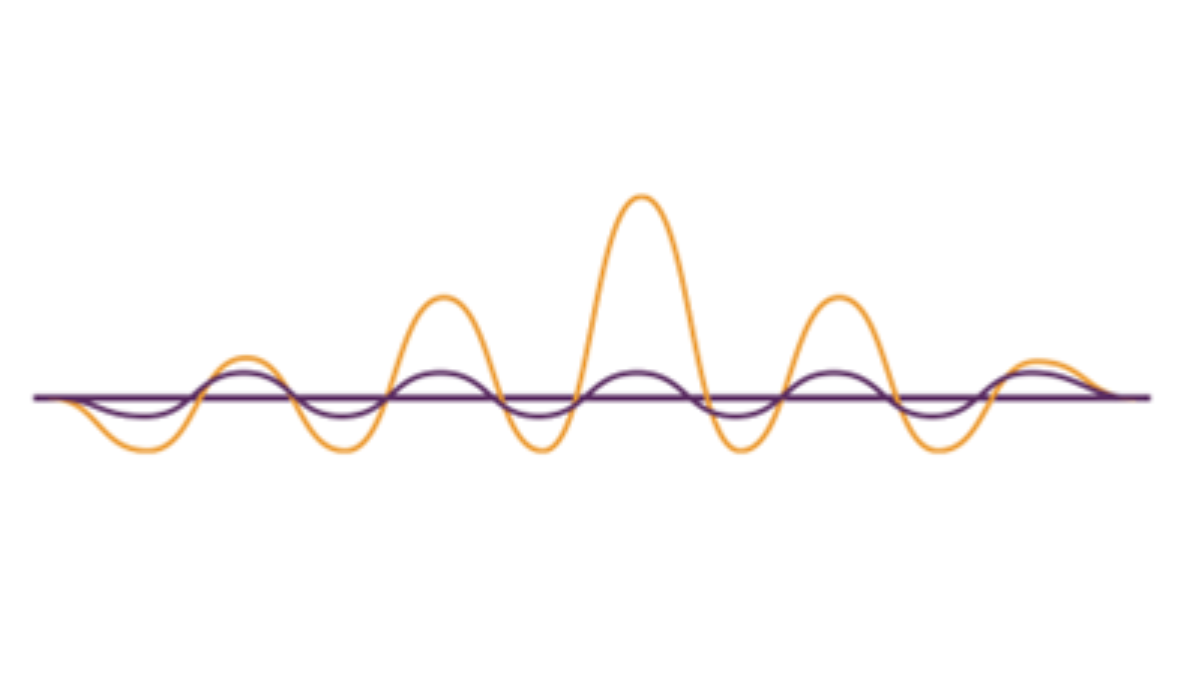
    In the experiment graph , two distinct phases can be observed: in the first part, the HRV trace is irregular and chaotic; in the second, it becomes orderly and rhythmic. The turning point occurs when the subject begins to breathe following a coherent breathing pattern at 0,1 Hz: 6 breaths per minute, or one full cycle every 10 seconds.

    (A smartphone based cardiac coherence biofeedback system - Julien De Jonckheere

    At this rhythm, the subject inhales for 5 seconds and exhales for another 5, creating a regular wave in the heart rate variability trace. The article The Effects of Coherent Breathing on Heartbeat presents the results of my HRV experiment and includes a video showing real-time data.

    How to Practice Coherent Breathing

    Coherent breathing involves deep, controlled breathing in which the inhalation and exhalation phases are of equal duration, typically between 4 and 7 seconds each.

    According to author and researcher James Nestor, in his book “Breath”, the ideal duration for each phase (inhale and exhale) is about 5.5 seconds. This leads to a breathing frequency of about 5.5 breaths per minute, which is considered optimal for achieving physical and mental benefits.

    The Benefits of Coherent Breathing

    The benefits of coherent breathing are numerous and span various areas of health:

    • Cardiovascular benefits: improved efficiency of the heart and circulation.
    • Stress and anxiety reduction: activation of the parasympathetic nervous system, responsible for relaxation.
    • Better sleep: deep and slow breathing promotes restful and high-quality sleep.
    • Overall physical well-being: the regular oxygen flow allows organs—especially energy-demanding ones like the brain—to receive a steady and efficient energy supply.
    • Increased mental clarity: better brain oxygenation leads to improved focus, mental clarity, and learning capacity.

    Try coherent breathing 5-5 included in BR3ATH.