
BR3ATH

La tua guida essenziale alla respirazione funzionale / Your Essential Guide to Functional Breathing

BR3ATH

Find your balance, one breath at a time.

Tag: heart

  • The Effects of Coherent Breathing on heartbeat

    The Effects of Coherent Breathing on heartbeat

    In this article, I share the results of a personal at-home experiment in which I tested the effects of coherent breathing on HRV (Heart Rate Variability), using monitoring tools and a dedicated app.

    respirazione coerente e hrv (coherent breathing and HRV)

    Further down, you’ll also find a demonstration video documenting the test in real time—a visual comparison between my heart activity in a normal state and during coherent breathing.

    The results? Clear, interesting, and perfectly aligned with scientific literature.

    What is HRV?

    HRV measures the fluctuations in heartbeats over time. Even if we assume a heart rate of 60 beats per minute—one beat per second—in reality, the time between each beat varies slightly. The higher this variability, the more adaptable and resilient our autonomic nervous system is to internal and external stimuli—making it a key indicator of both physical and mental health.

    What is Coherent Breathing?

    Coherent breathing is a simple yet powerful technique involving a balanced and regular breathing rhythm, where inhalation and exhalation are of equal length—typically around 5.5 seconds each (about 6 breaths per minute). This rhythm helps generate a state of cardiac coherence, in which heart rate and breathing become synchronized, with beneficial effects on overall well-being.

    The Data Speaks for Itself

    During my presentation on coherent breathing, I shared a chart from the study A smartphone-based cardiac coherence biofeedback system” by Julien De Jonckheere, which clearly illustrates how coherent breathing impacts HRV. On the left side of the graph, where the subject was breathing normally, the HRV pattern appears irregular. On the right side, where the subject engaged in coherent breathing, the pattern becomes smooth and sinusoidal—evidence of heart-respiration synchronization.

    respirazione coerente e hrv (coherent breathing and HRV)

    My Personal Experiment

    Fascinated by these findings, I decided to replicate the experience at home using a Polar H10 chest strap paired with the Elite HRV app. I first carried out normal daily activities, then followed a 5-5 coherent breathing exercise (5 seconds inhale, 5 seconds exhale) from the web app BR3ATH.
    The results were striking: during the coherent breathing phase, my heart rate pattern became periodic—just like in the study.

    respirazione coerente e hrv (coherent breathing and HRV)

    The video clearly shows what the study’s graph illustrates: during the first minute, my breathing was normal and the HRV trace irregular. In the second minute, as I began coherent breathing, the HRV trace turned into a smooth, regular pattern.
    In the still image taken from the video, the HRV periodicity is clearly about 10 seconds, which matches the rhythm of the breathing (one breath every 10 seconds).

    A Small Act, A Big Impact

    Coherent breathing is an accessible practice with profound effects on health. Just a few minutes a day can help your body enter a state of balance and calm.

    The benefits? Greater mental clarity, reduced stress, improved emotional regulation.

    Want to try it yourself? Explore the guided 5-5 coherent breathing exercise on BR3ATH
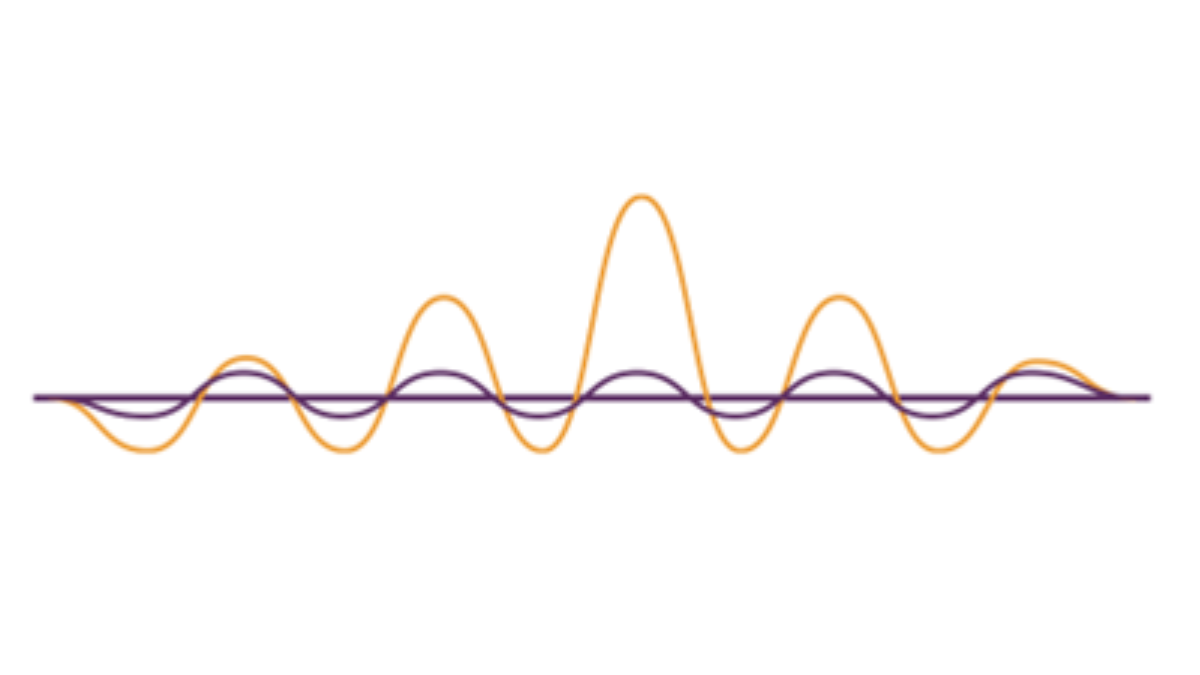
  • Coherent Breathing

    Coherent Breathing

    Coherent breathing is a deep breathing technique that promotes the induction of the cardiac coherence state. It is a simple yet highly effective method that can be practiced by anyone to improve their physical and mental well-being.

    Respirazione coerente - Coherent breathing

    The contents of this page are also summarized in the presentation on coherent breathing, given during the meeting held on April 4th.

    What is Cardiac Coherence

    Cardiac coherence, also known as the control of heart rate variability (HRV), is a relaxation and self-regulation technique for the autonomic nervous system. Through deep and mindful breathing exercises—often combined with visualization—it is possible to positively influence heart rate, making it more regular and harmonious.

    HRV: Heart Rate Variability

    When we talk about heart rate, we often imagine that the heart beats at a perfectly regular rhythm, like a clock—e.g., 60 beats per minute, one every second. In reality, the heart doesn’t function so mechanically: there are small variations between one beat and the next, sometimes slightly longer, sometimes shorter.

    These variations—measured in milliseconds—are what we refer to as HRV. A high HRV indicates a responsive and efficient cardiovascular system, capable of quickly adapting to different demands (like starting to run, dealing with stress, or relaxing). On the other hand, a low HRV may suggest less flexibility and greater difficulty responding to stimuli.

    An Experiment

    In the experiment graph , two distinct phases can be observed: in the first part, the HRV trace is irregular and chaotic; in the second, it becomes orderly and rhythmic. The turning point occurs when the subject begins to breathe following a coherent breathing pattern at 0,1 Hz: 6 breaths per minute, or one full cycle every 10 seconds.

    (A smartphone based cardiac coherence biofeedback system - Julien De Jonckheere

    At this rhythm, the subject inhales for 5 seconds and exhales for another 5, creating a regular wave in the heart rate variability trace. The article The Effects of Coherent Breathing on Heartbeat presents the results of my HRV experiment and includes a video showing real-time data.

    How to Practice Coherent Breathing

    Coherent breathing involves deep, controlled breathing in which the inhalation and exhalation phases are of equal duration, typically between 4 and 7 seconds each.

    According to author and researcher James Nestor, in his book “Breath”, the ideal duration for each phase (inhale and exhale) is about 5.5 seconds. This leads to a breathing frequency of about 5.5 breaths per minute, which is considered optimal for achieving physical and mental benefits.

    The Benefits of Coherent Breathing

    The benefits of coherent breathing are numerous and span various areas of health:

    • Cardiovascular benefits: improved efficiency of the heart and circulation.
    • Stress and anxiety reduction: activation of the parasympathetic nervous system, responsible for relaxation.
    • Better sleep: deep and slow breathing promotes restful and high-quality sleep.
    • Overall physical well-being: the regular oxygen flow allows organs—especially energy-demanding ones like the brain—to receive a steady and efficient energy supply.
    • Increased mental clarity: better brain oxygenation leads to improved focus, mental clarity, and learning capacity.

    Try coherent breathing 5-5 included in BR3ATH.