BR3ATH

La tua guida essenziale alla respirazione funzionale / Your Essential Guide to Functional Breathing

BR3ATH

Find your balance, one breath at a time.

Tag: relaxation

  • BR3ATH v4.0

    BR3ATH v4.0

    The new version of BR3ATH v4.0 was created with a simple goal: to make the breathing experience even more intuitive, complete, and accessible. Over the past few months, the platform has evolved through the introduction of new sections, guided content, and features designed to accompany each person on a journey toward greater awareness, calm, and psychophysical well-being.

    br3ath v4.0

    BR3ATH continues to be a space dedicated to conscious breathing, mindfulness, and relaxation, but with version 4.0 the experience becomes even more immersive, organized, and personalized.

    New Introductions for Every Breathing Area

    One of the main new features is the addition of a short introductory section within each group of exercises.

    Each area of the platform is now accompanied by dedicated text that helps users better understand the benefits, goals, and atmosphere of the proposed practices.

    Among the available sections:

    • Breathe to Relax, dedicated to inner calm, relaxation, and stress reduction
    • Breathe for the Mind, focused on concentration, mental clarity, and emotional balance
    • Breathe for the Heart, with practices oriented toward heart coherence and nervous system harmony
    • Breathe for Sleep, designed to support natural and restorative sleep

    These introductions make the experience more welcoming and guided, helping each user choose the breathing path best suited to their moment of the day or emotional state.

    The New “Journeys” Section Has Arrived

    With BR3ATH 4.0, a new area called Journeys also makes its debut — a space dedicated to sequences of exercises created through the combination of different breathing techniques.

    br3ath journey

    The goal of Journeys is to create more complete and harmonious experiences capable of gradually guiding users toward relaxation, presence, energy, and psychophysical well-being.

    Each journey integrates:

    • slow and mindful breathing
    • breath holds and pauses
    • concentration techniques
    • body relaxation exercises
    • nervous system balancing practices

    Among the new contents introduced is also the Short Breath Hold from the Buteyko method, a practice that helps develop greater breath awareness, improve CO₂ tolerance, and promote calm and inner stability.

    The Journeys section represents one of the most important steps in BR3ATH’s evolution: not just individual exercises, but true guided experiences built around everyday well-being.

    Recordings of the Respiro 360 Sessions Are Now Available

    For registered Italian-speaking users, BR3ATH 4.0 introduces access to recordings of the Respiro 360 sessions held throughout 2025 and 2026.

    respiro360 mp3

    The sessions include practices and exercises used during guided meetings, including:

    • breath observation
    • body scan
    • quick body scan
    • breathing with hands on chest and abdomen
    • inverse diaphragm breathing
    • nadi shodana
    • short breath hold and box breathing
    • humming

    This new library allows users to continue practicing independently, revisit the sessions, and integrate breathing practices into their daily routine with greater consistency.

    BR3ATH Can Now Be Installed as a Desktop App

    Another important new feature of version 4.0 is PWA (Progressive Web App) support.

    br3ath pwa

    Starting today, BR3ATH can be installed directly on desktop or mobile devices, adding the app icon to the home screen for faster and more immediate access.

    Main benefits include:

    • quick launch directly from the desktop
    • a smoother and more immersive experience
    • easier access to daily exercises
    • an experience similar to a native app

    A solution designed to make breathing practices even easier to integrate into everyday life.

    An Evolution Designed for Everyday Well-Being

    BR3ATH 4.0 represents a natural evolution of the project: more content, more guided journeys, and an even more accessible platform.

    Breathing becomes a practical tool to slow down, restore balance, and create a personal space for presence and inner listening.

    Whether the goal is to relax, improve concentration, sleep better, or simply take a few minutes of calm, BR3ATH continues to grow with the idea of offering a simple and deeply wellness-oriented experience.
  • Optimize breathing with posture

    Optimize breathing with posture

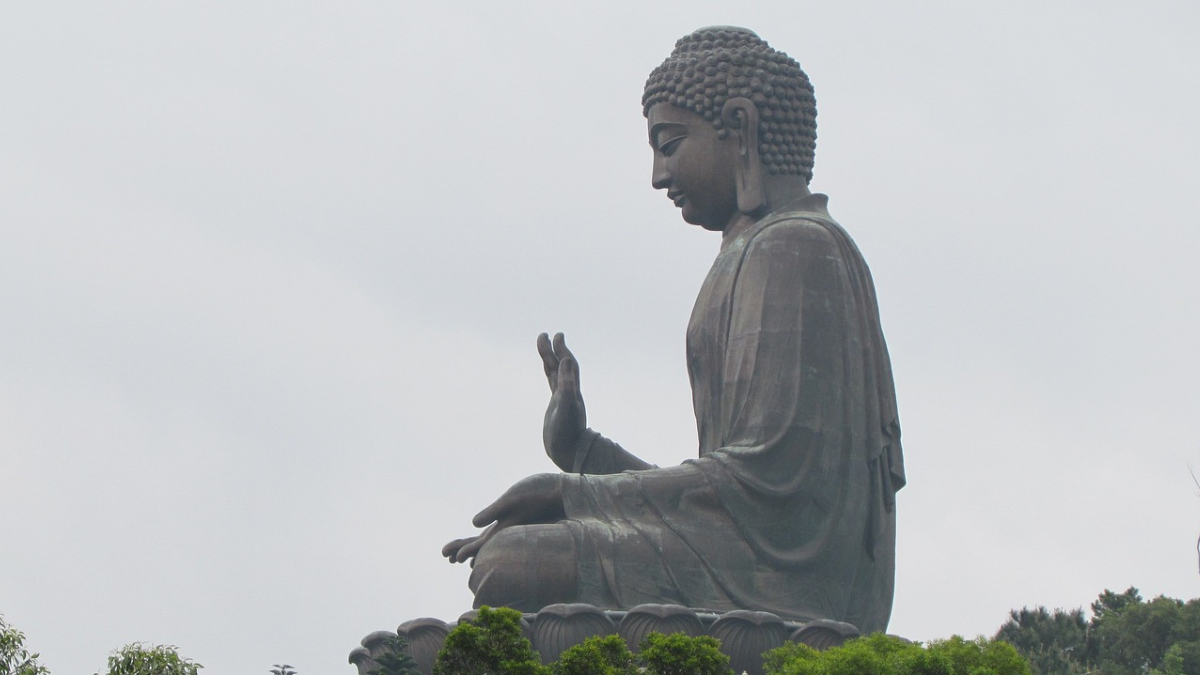
    Optimize breathing with posture is essential to improve breath quality and achieve the maximum physical and mental benefits during breathing exercises. Correct posture helps facilitate lung expansion, improving oxygenation of the body and reducing muscle tension. Additionally, maintaining proper alignment helps prevent stiffness and promotes deeper, more relaxed breathing, which is crucial for overall well-being.

    ottimizzare la respirazione con la postura / Optimize Breathing with Posture

    Why is Posture Crucial?

    Posture directly affects the lungs’ ability to expand and contract effectively. Poor posture, with slumped shoulders and a bent back, compresses the diaphragm and limits the chest’s ability to open, hindering deep and full breathing. In contrast, correct posture encourages diaphragmatic breathing, which is deep and relaxing.

    posture and breathing

    Benefits of Correct Posture During Breathing

    1. Better Oxygenation: An upright position allows the lungs to fully expand, improving oxygen supply to tissues and promoting the removal of carbon dioxide.
    2. Relaxation and Stress Management: Deep, conscious breathing, facilitated by proper posture, activates the parasympathetic nervous system, reducing stress and anxiety.
    3. Improved Concentration: Optimal oxygen flow to the brain supports mental clarity and focus.
    4. Prevention of Muscle Pain: Correct posture reduces tension on muscles and joints, preventing neck and lower back pain.
    postura zafu / posture and zafu

    How to Maintain Correct Posture

    1. Standing or Sitting: Keep the back straight but relaxed, shoulders down and open, with the chest slightly lifted. If practicing qigong or taijiquan, assume the Zhan Zhuang position while standing. Even when sitting, the upper body should follow the same principles.
    2. Chin Parallel to the Ground: Avoid bending the neck forward or backward. To assist with this position, even with eyes closed, imagine looking far into the horizon.
    3. Feet Firmly Planted (If Sitting): Keep the legs at a 90-degree angle, feet parallel, with the sensation that the entire soles of the feet are firmly planted on the ground. If sitting on a zafu with crossed legs, sit at the front of the zafu so the pelvis tilts slightly forward; this promotes the natural curvature of the spine and maintains a straight back without effort.
    4. Lying Down (Savasana): Lie on your back on a mat or a comfortable surface, legs extended with feet slightly apart, letting them naturally fall outward. Keep the arms extended along the sides of your body, slightly away from the body, with palms facing upward.
    5. Relax the Body: Keep muscles relaxed and free of tension naturally.

    Referring to the Zhan Zhuang exercise, the two points Bai Hui (top of the head) and Hui Yin (coccyx) push in opposite directions, lengthening the spine and creating space in the abdomen for lung expansion. This applies whether standing, sitting, or lying down.

    postura respirazione savasana posture breathing

    Standing, Sitting, or Lying Down?

    Everyone has their preference for the position to perform breathing exercises, which can also be influenced by where they are: for example, at work, we typically practice these exercises while sitting at a desk.

    The choice of position also depends on our experience with breathing exercises, as maintaining correct posture can become a distraction and compromise breathing quality (focusing more on posture than on the breath).

    For beginners, lying down is the easiest position, allowing concentration solely on the flow of air in and out and the breathing movements. Later, we can transition to a seated position, initially using a chair or armchair that helps maintain a straight back and alerts us if we lose alignment (when we move away from the backrest).

    Once maintaining correct posture while seated becomes natural, we can move to the zafu. Finally, if practicing qigong or taijiquan and wishing to combine deep breathing exercises with these practices, we can experiment with the standing position.

    Conclusion

    Paying attention to posture during breathing exercises is not a minor detail but a crucial element in optimizing the benefits of conscious breathing. Correct posture allows for better breathing, improving physical and mental health and contributing to overall well-being that extends into daily life.

  • Box Breathing

    Box Breathing

    Box Breathing is a breath control technique used to reduce stress, improve concentration, and promote relaxation. This practice is widely adopted by athletes, military personnel, and individuals seeking effective anxiety management.

    How It Works

    The name comes from the four equal phases of the technique, following this pattern:

    1. Inhale slowly through the nose for 4 seconds.
    2. Hold the breath for 4 seconds.
    3. Exhale slowly through the mouth for 4 seconds.
    4. Hold the breath (lungs empty) for 4 seconds.

    This sequence is repeated for a few minutes, creating a steady and balanced rhythm that helps calm the nervous system.

    Benefits of Box Breathing

    • Reduces stress and enhances mood: Helps regulate the nervous system, lowering cortisol levels (the stress hormone).
    • Improves focus: Enhances mental clarity and presence, useful for making quick decisions or handling high-pressure situations.
    • Stabilizes heart rate: Promotes a steady breathing pattern, contributing to physical and emotional balance.
    • Increases lung capacity: Breath training improves respiratory efficiency over time.

    Thanks to its simplicity and effectiveness, box breathing is an excellent technique to integrate into daily routines for better mental and physical well-being.

    Try guided box breathing (4 seconds per phase) included in BR3ATH.

    Box Breathing